

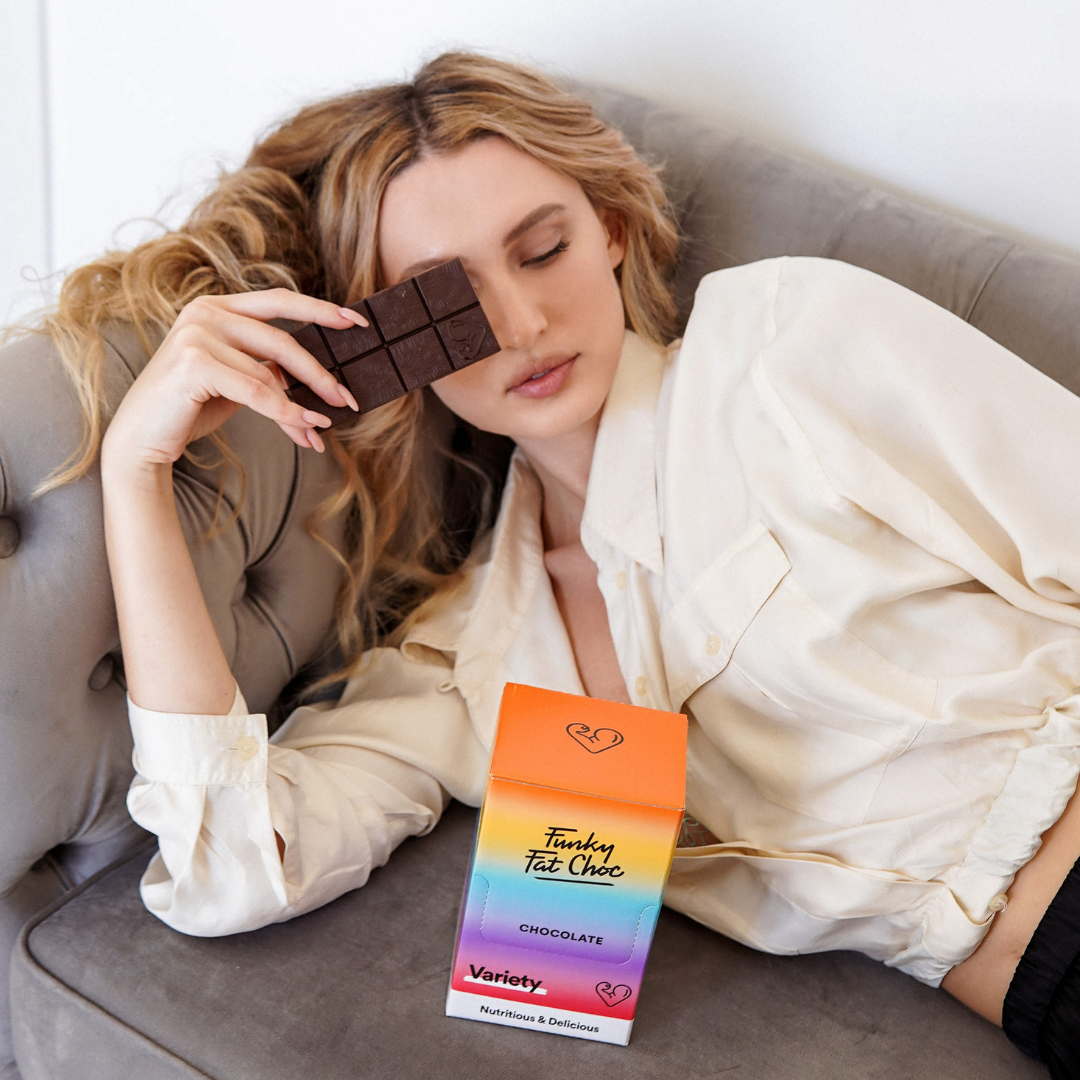
Many women notice that their cravings change throughout the month. One week everything feels balanced, and the next week chocolate, sweets, or salty snacks suddenly feel impossible to ignore.
If you’ve ever wondered why this happens, you’re not alone. The difference between PMS cravings and normal cravings is largely driven by hormonal shifts that affect appetite, metabolism, and even insulin sensitivity.
This raises a common question: are these normal cravings, or are they related to PMS?
Understanding these changes can help women respond to cravings with more awareness, practice mindful eating, and maintain better hormonal balance instead of feeling frustrated or out of control around food.
What Are Normal Cravings?
Normal cravings happen to everyone and are part of everyday human biology. A craving is simply a strong desire for a specific type of food.
These cravings can be influenced by several factors:
- Energy needs and metabolism
- Habit or routine
- Emotional states such as stress or boredom
- Nutrient imbalances
- Environmental triggers
For example, if you skipped lunch or ate a meal low in protein and healthy fats, your blood sugar may drop later in the day. Your body may respond by craving quick energy foods such as sweets or refined carbohydrates.
Similarly, stress can increase cravings because the body releases cortisol, a hormone that increases appetite and encourages the body to seek quick energy sources.
These regular cravings usually appear occasionally and are not tied to a specific pattern in your cycle.
What Are PMS Cravings?
PMS cravings are different because they are strongly influenced by hormonal changes that occur during the second half of the menstrual cycle.
After ovulation, the body enters the luteal phase. During this time, progesterone rises and oestrogen gradually declines. These hormonal shifts affect mood, appetite, and metabolism.
Many people notice that during this phase:
- Hunger increases
- Sweet or carbohydrate cravings become stronger
- Emotional eating becomes more tempting
- Energy levels fluctuate
These changes are not random. They are driven by the body’s hormonal environment.
Research suggests that metabolism actually increases slightly during the luteal phase, meaning the body may need more energy. At the same time, hormone changes can influence insulin sensitivity and brain chemistry, making certain foods feel more rewarding.

The Role of Hormones in PMS Cravings
Hormones play a central role in PMS cravings. Oestrogen and progesterone influence both metabolism and appetite signals.
During the first half of the cycle, oestrogen tends to support stable energy levels and balanced appetite regulation.
During the second half of the cycle, progesterone rises and oestrogen declines. This shift can affect several systems in the body:
- Appetite regulation
- Serotonin levels
- Blood sugar stability
- Energy expenditure

Lower serotonin levels during this phase may increase the desire for carbohydrate-rich foods, because carbohydrates can temporarily increase serotonin production.
This is one reason why many people crave chocolate, sweets, or baked goods before their period.
Instead of viewing these cravings as a lack of discipline, it can be more helpful to see them as signals from the body responding to hormonal shifts.
How Insulin Resistance Can Influence Cravings
Another important factor in cravings is insulin resistance.
Insulin is the hormone responsible for helping cells absorb glucose from the bloodstream. When insulin sensitivity decreases, blood sugar regulation becomes less efficient.
During the luteal phase of the menstrual cycle, some people experience temporary reductions in insulin sensitivity. This means the body may require more insulin to manage blood sugar levels.
As a result:
- Blood sugar fluctuations can increase
- Energy crashes may occur more easily
- Cravings for sweets or quick carbohydrates may become stronger
If someone already has underlying insulin resistance, PMS cravings can feel even more intense.
This is why balanced meals that include protein, healthy fats, and fibre are especially important during this phase. They help stabilise blood sugar and support metabolic balance.

The Metabolism Connection
One interesting difference between PMS cravings and normal cravings is the role of metabolism.
Studies show that energy expenditure can increase by roughly 100–300 calories per day during the luteal phase. This means the body is actually burning slightly more energy.
In other words, increased appetite during PMS is not always irrational. Your body may genuinely require more fuel.
The key is choosing foods that support stable energy rather than triggering further blood sugar swings.
Foods that combine healthy fats, protein, and clean ingredients tend to be more satisfying and supportive of metabolic balance.
Emotional vs Physiological Cravings
Another way to understand cravings is to distinguish between emotional and physiological triggers.
Physiological cravings are driven by biological needs such as:
- Low blood sugar
- Hormonal shifts
- Energy demands
- Nutrient deficiencies
Emotional cravings are often linked to:
- Stress
- Boredom
- Fatigue
- Emotional comfort
PMS cravings often combine both. Hormonal changes can increase sensitivity to stress and emotional triggers, which makes certain foods feel more comforting.
This is why the days before a period can feel like the perfect storm for cravings.
Mindful Eating During PMS
Instead of trying to eliminate cravings entirely, a more sustainable approach is to practice mindful eating.
Mindful eating means paying attention to hunger cues, emotions, and food choices without judgement.
Some helpful mindful eating practices include:
- Checking whether you are physically hungry or emotionally triggered
- Eating balanced meals earlier in the day
- Choosing snacks with protein and healthy fats
- Slowing down and enjoying food intentionally
Mindful eating helps build awareness around cravings so they feel less overwhelming.

Supporting Hormonal Balance Through Nutrition
Nutrition plays a powerful role in supporting hormonal balance and managing cravings.
Rather than focusing on restriction, it can be helpful to prioritise foods that support stable metabolism and energy levels.
Examples include:
- Healthy fats from nuts, seeds, and dark chocolate
- Protein-rich foods that support satiety
- Fibre-rich vegetables and whole foods
- Foods with clean ingredients and no added sugar
These types of foods support blood sugar balance and may help reduce the intensity of cravings over time.

When Cravings Become a Signal
Cravings can also act as feedback from the body.
If cravings feel constant or overwhelming, it may indicate that something in your routine needs adjustment.
Possible contributing factors include:
- Chronic stress
- Poor sleep
- Highly processed foods
- Blood sugar instability
- Hormonal imbalance
Addressing these areas can make a significant difference in how often cravings appear.
Finding Balance Instead of Fighting Cravings
The goal is not to eliminate cravings completely. Cravings are part of normal human physiology.
Instead, the goal is to understand them.
When you recognise the difference between PMS cravings and normal cravings, you can respond with more awareness and less guilt.
Balanced meals, stable blood sugar, and mindful eating practices help support both metabolism and hormonal balance.
And when cravings do appear, choosing snacks made with clean ingredients and no added sugar can help satisfy them without triggering the cycle of energy spikes and crashes.
Understanding your body’s signals is a powerful step toward building a healthier and more balanced relationship with food.
Stay curious, stay balanced, and as always — stay funky.


Leave a comment
All comments are moderated before being published.
This site is protected by hCaptcha and the hCaptcha Privacy Policy and Terms of Service apply.