

There are so many types of diets and low-carb diets that it is pretty easy to get lost. Especially if you want to start a low-carb journey while being vegetarian we feel like it is essential to work alongside a professional to help you make sure you have all your needs covered. This is important for every nutrition change you’re planning to make. This is why we spoke with Helen Van Haren, a certified nutritionist who specializes in low-carb vegetarianism. If you want to hear our full conversation, you can check out the Funky Fat Podcast episode with her.
The importance of working with a nutritionist
Have you ever tried to make some adjustments to your eating habits, only to fall right back into old routines? Do you feel lost when you want to adapt your diet to meet your goals but don’t know how to do it?
This is why you should be working with a certified nutritionist, as it's easy to get lost with this specific type of diet. Nutritionists can help navigate the complexity surrounding meal plans and lifestyle changes, while simultaneously educating you on making healthier choices and finding solutions to your unique needs and preferences.
Basically, nutritionists make your life easier. They simplify your wellness journey and accompany you along the way, making sure you have the greatest possible likelihood of success. However, if you’re considering working with a professional, make sure you are working with one that aligns with your values and that adjusts to your needs. Meaning, if you want to start a vegetarian low-carb or a vegetarian keto diet, it is best if you look for a professional who specializes in these types of diets, so you will work well together.
What is the Vegetarian Keto Diet?
The vegetarian keto diet is a low-carb, high-fat diet that combines the principles of the ketogenic diet with a vegetarian or plant-based eating approach. While the traditional keto diet is heavily focused on animal products like meat, eggs, and dairy, the vegetarian keto diet excludes these animal-based foods and relies on plant-based sources of protein and fats. However, you can still meet your protein and fat requirements by eating eggs and full-fat dairy aside from plant-based protein, which increases the quality of your diet since they provide important macronutrients like potassium, calcium, iron, zinc, and B vitamins.

The Do’s and don'ts of a Vegetarian and Low-Carb diet
A vegetarian and low-carb diet can be a healthy and sustainable way of eating if you plan it carefully to ensure you meet your nutritional needs while keeping your carbohydrate intake in check. Many people use legumes or other carbohydrates as a source of protein since plant-based proteins are not considered full protein. However if you want to follow a low-carb diet you need to track and restrict your carbs intake, hence the importance of working with a certified nutritionist to help you meet your goals in a healthy way.
Do’s in a vegetarian low-carb diet
- Choose Plant-based Proteins. Opt for plant-based protein sources like tofu, tempeh, seitan, nuts, seeds, and edamame. These can provide the protein your body needs while being low in carbs.
- Incorporate Non-Starchy Vegetables. Non-starchy vegetables are low in carbohydrates and rich in fiber, vitamins, and minerals. Include plenty of leafy greens, broccoli, cauliflower, zucchini, bell peppers, and asparagus in your meals.
- Healthy Fats. Include sources of healthy fats in your diet like avocados, olive oil, coconut oil, nuts, and seeds. These fats can help keep you satiated and provide essential nutrients.
- Moderate Dairy or Dairy Alternatives. If you consume dairy, choose full-fat, low-carb options like Greek yogurt, cheese, and heavy cream. For a vegan approach, use dairy alternatives like almond milk, coconut yogurt, or soy cheese.
- Track your Carb Intake. Keep track of your carbohydrate intake by reading food labels and using apps or journals to record your meals. Aim for a daily carb intake that aligns with your low-carb goals, which can vary depending on your specific needs.
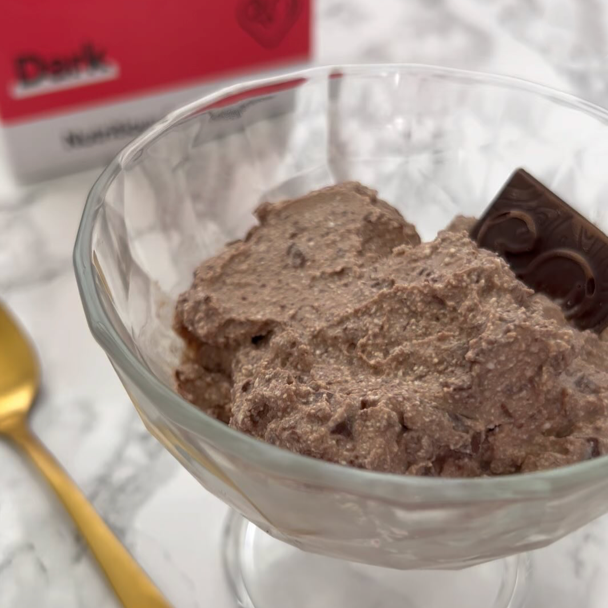
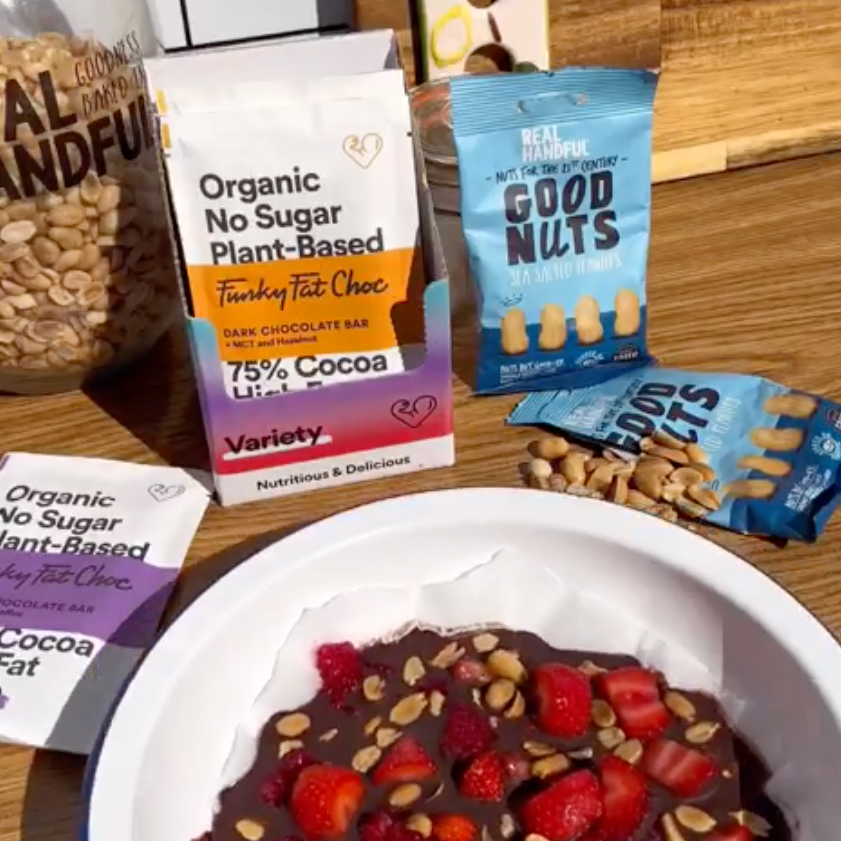
- Snack Wisely. Choose low-carb snacks like raw vegetables with guacamole, a handful of nuts, a small portion of low-carb berries, Funky Fat Chocolates, etc.
- Stay Hydrated. Drink plenty of water and herbal teas to stay hydrated. Sometimes thirst can be mistaken for hunger.
Don’ts in a vegetarian low-carb diet
- Avoid Refined Carbohydrates. Steer clear of refined carbs such as white bread, pasta, sugary cereals, and baked goods. These foods can cause rapid spikes in blood sugar levels.
- Limit Starchy Vegetables. While non-starchy vegetables are encouraged, starchy ones like potatoes, sweet potatoes, and corn should be consumed in moderation due to their higher carbohydrate content.
- Be Cautious with Fruits. Most fruits are relatively high in carbohydrates due to their natural sugars. While some lower-carb fruits like berries are acceptable in moderation, limit your overall fruit consumption if you're aiming for a very low-carb intake.
- Watch Out for Hidden Sugars. Be vigilant about hidden sugars in processed and packaged foods, including salad dressings, sauces, and condiments.
- Processed Vegetarian Foods. Some processed vegetarian foods may be high in carbohydrates and additives. Read labels carefully and choose whole, minimally processed foods whenever possible.
- Don't Neglect Nutritional Balance. Ensure you're getting a variety of nutrients by incorporating a wide range of vegetables, protein sources, and fats into your diet. Consider consulting a registered dietitian to help you plan balanced meals.
- Don't Skip Meals. Skipping meals can lead to overeating later on. Plan your meals and snacks to keep your energy levels stable throughout the day.
A vegetarian keto or low-carb diet has a lot of benefits if done correctly. This is why we so strongly recommend working with a certified nutritionist who understands your goals and needs and helps you make the healthiest food choices. Also, it’s great to work with a professional, especially at the beginning of a diet plan change, so they can help you build a solid meal plan that works for you. It's essential to listen to your body, track your progress, and make adjustments as needed to achieve your health and dietary goals. Remember to always be nice to your body.


Leave a comment
All comments are moderated before being published.
This site is protected by hCaptcha and the hCaptcha Privacy Policy and Terms of Service apply.