
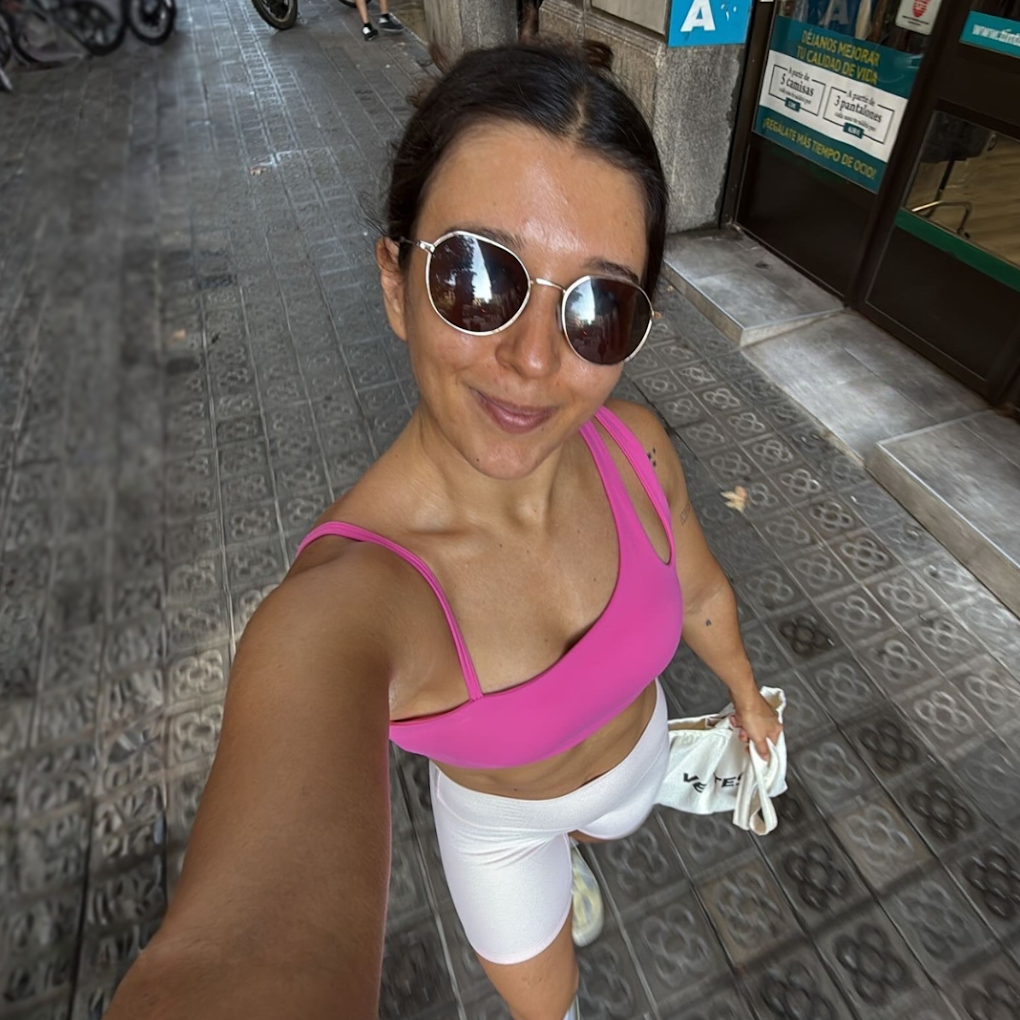
I was around 14 when I first absorbed the idea that being healthy meant becoming smaller. I cannot point to one sentence or one moment that created that belief. It was simply part of the world I was learning from: thinness was praised, eating less looked disciplined, and choosing “less” seemed to carry a quiet stamp of approval.
For a long time, I did not think of these ideas as food rules. I thought they were what responsible people knew. Balance meant control. Health meant taking up less space. And doing it correctly meant never appearing to find any of it difficult.
What I did not realise then was that a rule can feel normal and still be worth questioning.
These are ten things I had to unlearn. They are not ten new rules for anybody else, just the beliefs I carried and the perspective that changed for me.
1. Food belonged in “good” and “bad” categories
I also had to unlearn the habit of turning food into a moral decision. Food was “good,” “bad,” “indulgent,” “allowed” or “off limits,” and somehow those labels started attaching themselves to the person eating it.
Different foods can have different places in my life: nourishment, pleasure, convenience, tradition, a social moment or simply something I enjoy. I can consider what fits my goals and my day without giving the food, or myself, a moral grade.
2. I had to burn off a treat
For years, if I ate something I considered high in calories or carbohydrates, a second thought arrived immediately: How am I going to make up for this?
Movement became like a form of repayment. Enjoyment came with like an invoice.
I had to question the idea that a treat created a debt. For me, balance meant allowing the food I wanted without automatically adding a workout, a restriction or a promise to be “better” tomorrow.
3. Snacks had to be boring

I used to treat snacks as either the boring, sensible option or something already packaged for me.
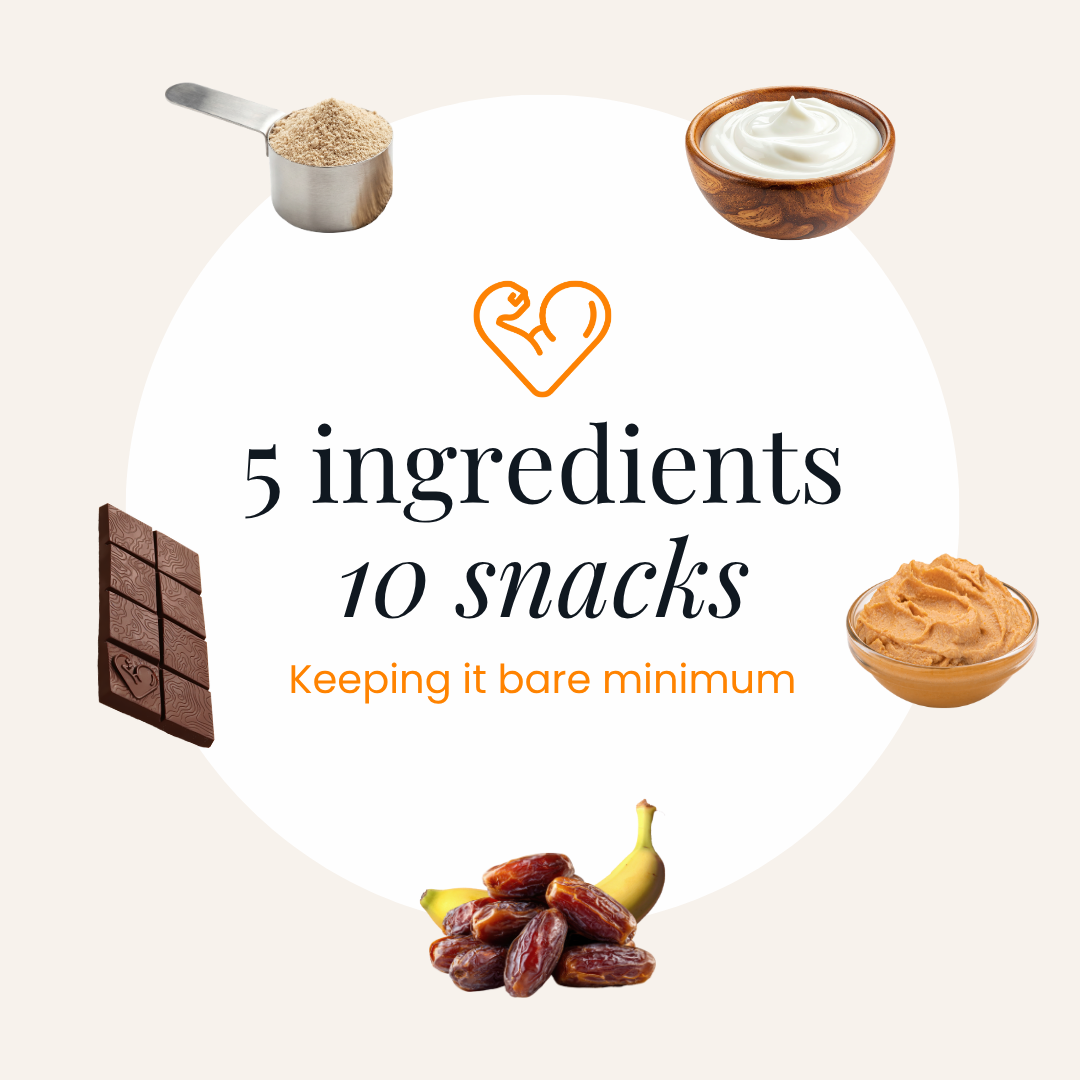
A snack could be something I put together myself. My snack drawer became a simple way to keep options I liked nearby and combine them according to what I wanted that day. It could be practical, enjoyable and more interesting than the nearest packet.
Homemade Funky Protein Bars ->
4. The point of working out was to become smaller
Strength training, and spending time around strong women, gave me another way to look at movement. I became interested in what I could practise, build and do. I stopped treating “smaller” as the automatic destination.
People have different reasons for moving their bodies. I am not here to choose anyone else’s. What changed for me was giving myself permission to take up space and pursue strength.
5. Chocolate was only for special occasions
Chocolate was a reward, a celebration food or something saved for the right moment. There was always a calculation sitting beside it.
Gradually, I began to see that chocolate could be part of an ordinary, conscious routine. It did not need a moral label or a special occasion. It could simply be chosen and enjoyed.
That idea sits close to why I joined Funky Fat Foods. I did not want to build another product around shame, restriction or the performance of being “good.” I wanted to create premium chocolate with clean ingredients and no added sugar: chocolate made for conscious indulgence and everyday enjoyment.
No product can solve your relationship with food, and I would never pretend ours could. Funky Fat Foods reflects a different starting point: enjoyment does not have to wait for a celebration.
6. Breakfast had to be earned
I used to train at 5 a.m. every day. If I did not train one morning, I would sometimes skip breakfast. Somewhere along the way, I had made breakfast conditional on exercise.
Breakfast was not just breakfast. It had become a prize for completing the workout.
Now I can ask whether I want breakfast and what suits my morning without first presenting evidence that I deserve it. A missed workout does not need to be corrected at the table.
7. Women should not become “too strong”

There are plenty of opinions about how muscular a woman should or should not look. I no longer think other people’s preferences should set my goals.
I want to build strength. I value what strength means in my own life, and I want to keep making room for it as I get older. “Too strong” is not a useful limit for me.
That is not a prescription for every woman to train as I do. It is simply something I had to unlearn: I do not need to make myself less capable or less visible to fit somebody else’s idea of feminine enough.
8. Dessert required compensation

Sometimes I would have dessert and then skip a meal the next day to make up for it. The dessert might have lasted ten minutes; the calculation stayed much longer.
I had to question why enjoyment needed a penalty. These days, I often have a bowl of yogurt, strawberries and granola after dinner. It is an ordinary part of my evening because I like it, not a test I have passed or failed.
This is what changed for me: dessert could be part of my routine without controlling the next day. I did not need to turn one enjoyable choice into a cycle of compensation.
9. A change had to start on Monday
When I thought about starting a diet, I would wait for Monday, next month or even next year. The date had to feel clean and official. If I could not begin perfectly, I would delay beginning at all.
That makes much less sense to me now. Waiting for the perfect start kept me in a start-stop mindset. I became more interested in habits I could return to during ordinary life, including the days that did not feel organised, motivated or new.
10. Food guilt was the price of enjoyment
This may be the one that changed my life the most.
Food guilt did not stay neatly inside the meal. It followed me into the rest of the day, turned enjoyment into resentment and made ordinary choices feel far more loaded than they needed to be.
I am not claiming that I now live in perfect balance or never hear an old rule in my head. Unlearning is ongoing. Sometimes I still notice the calculation beginning. The difference is that I can recognise it as a learned rule, not an instruction I have to follow.
For me, a realistic idea of balance has room for strength training and enjoyable movement. It has room for satisfying food, rest, sleep, social moments and chocolate. Some days one part takes up more space. Other days another part does. The goal is not to make every day perfectly balanced. It is to build a life flexible enough to hold all of it.
We are allowed to unlearn
Unlearning does not require me to declare that everything I once believed was wrong. Those beliefs came from somewhere. Some may even have felt useful at the time. But I can still ask whether they support the person I am becoming now.
I am not here to tell you what to eat, how to move or what balance should look like in your life. I am sharing what I had to unlearn, and how asking different questions changed things for me.

Leave a comment
All comments are moderated before being published.
This site is protected by hCaptcha and the hCaptcha Privacy Policy and Terms of Service apply.