

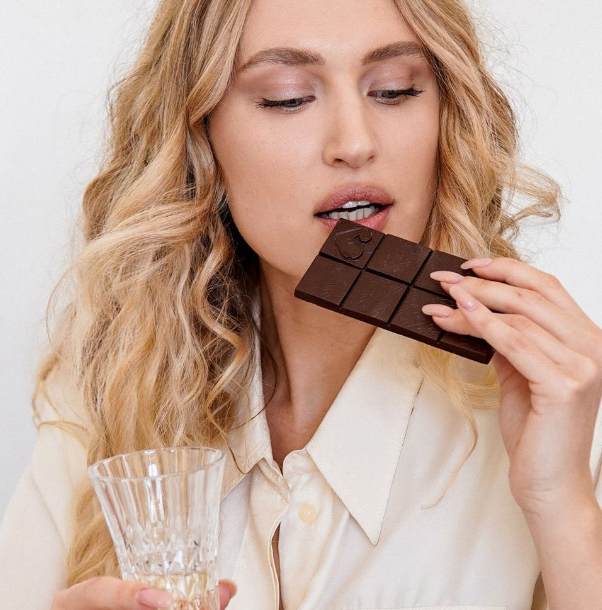
Erythritol and Maltitol are often placed in the same family because both are sugar alcohols, also known as polyols. But same family does not mean same experience. In no-added-sugar chocolate, erythritol stands out as one of the cleaner, more modern sweetener choices, sitting closer to the sweetener toolkit of stevia and monk fruit than to older sugar-replacement classics like maltitol. Sweet treats should still taste rich, smooth, and properly indulgent. The sweetener just needs to pull its weight without taking over the moment. Erythritol is around 60-70% as sweet as table sugar, while maltitol is often closer to 75-90%.
Sugar Alcohols
Sugar alcohols, or polyols, are sweet-tasting carbohydrates used as sugar substitutes in many foods. Maltitol, sorbitol, xylitol, mannitol, and erythritol all belong to this group. That said, erythritol is the outlier we actually like. Under EU nutrition calculation rules, erythritol contributes 0 kcal per gram, while other polyols are calculated differently. That makes erythritol a distinctive option for no-added-sugar recipes where taste, texture, and nutritional profile all matter.
Polyols are not all equal on the plate, either. Some are more likely to cause digestive discomfort when eaten in larger amounts, including bloating, gas, or a laxative effect. Maltitol is especially known for this, which is one reason we prefer a more modern sweetener approach.
What is Erythritol?
Erythritol is a sugar alcohol and a commonly used sweetener. It is found naturally in small amounts in some fruits and fermented foods, and it can also be produced by fermenting glucose. In our view, it belongs in a better sweetener category alongside options like stevia and monk fruit: not because they are chemically identical, but because they are used for the same modern goal. Sweetness, without relying on conventional added sugar.
- Zero-calorie contribution. Under EU nutrition calculation rules, erythritol contributes 0 kcal per gram. That makes it different from maltitol and many other polyols.
- Clean sweetener positioning. Erythritol fits naturally next to stevia and monk fruit in a modern no-added-sugar sweetener strategy.
- Digestive tolerance. Compared with maltitol, erythritol is often preferred by people who want a lighter-feeling sweetener choice. As with any sweetener, portion size still matters.
- Chocolate-friendly taste. Erythritol brings a lighter sweetness that works well when balanced with cocoa, fats, texture, and flavour. It lets the chocolate stay the main character.
Is Erythritol organic?
Erythritol can be organic when it is made from certified organic inputs and processed according to organic standards. The word “organic” depends on certification, not only on the ingredient name or production method. If organic status matters to you, check the product label or ask the brand for the current certification details. Our erythritol is organic-certified.
What is Maltitol?
Maltitol is another sugar alcohol used in many sweet products. It is derived from maltose, which comes from starch. Maltitol tastes closer to table sugar than many other polyols and can help create a familiar texture in confectionery, chocolate, baked goods, and sweets. That is why it became so common. But common does not always mean best.
- Sweetness. Maltitol is often around 75-90% as sweet as sucrose, giving it a sugar-like sweetness profile.
- Texture. Maltitol can help provide body, volume, and a familiar mouthfeel.
- Older sugar-replacement feel. Maltitol is widely used, but it does not feel as clean or modern to us as erythritol, stevia, or monk fruit.
- Potential digestive effects. Excessive consumption can lead to gastrointestinal discomfort, such as bloating, gas, cramping, or a laxative effect.
Why choose Erythritol over maltitol?
When choosing between erythritol and maltitol, we are very clear about where we stand. Erythritol is our preferred option because it fits the kind of chocolate we want to make: rich, clean, modern, and no added sugar. It gives us sweetness without pushing the recipe into old-school “sugar-free candy” territory.
Here are some of the reasons we choose erythritol over maltitol:
- It stands apart nutritionally. Erythritol contributes 0 kcal per gram under EU nutrition calculation rules, unlike maltitol and most other polyols.
- It fits modern sweetener expectations. We see erythritol alongside stevia and monk fruit as part of a cleaner, more considered sweetener approach.
- It feels better suited to premium chocolate. Erythritol supports sweetness without making the product feel like a compromise. The cocoa still gets to do the talking.
- It is our preferred alternative to maltitol. Maltitol can work technically, but erythritol is more aligned with our ingredient standards, taste goals, and no-added-sugar philosophy.
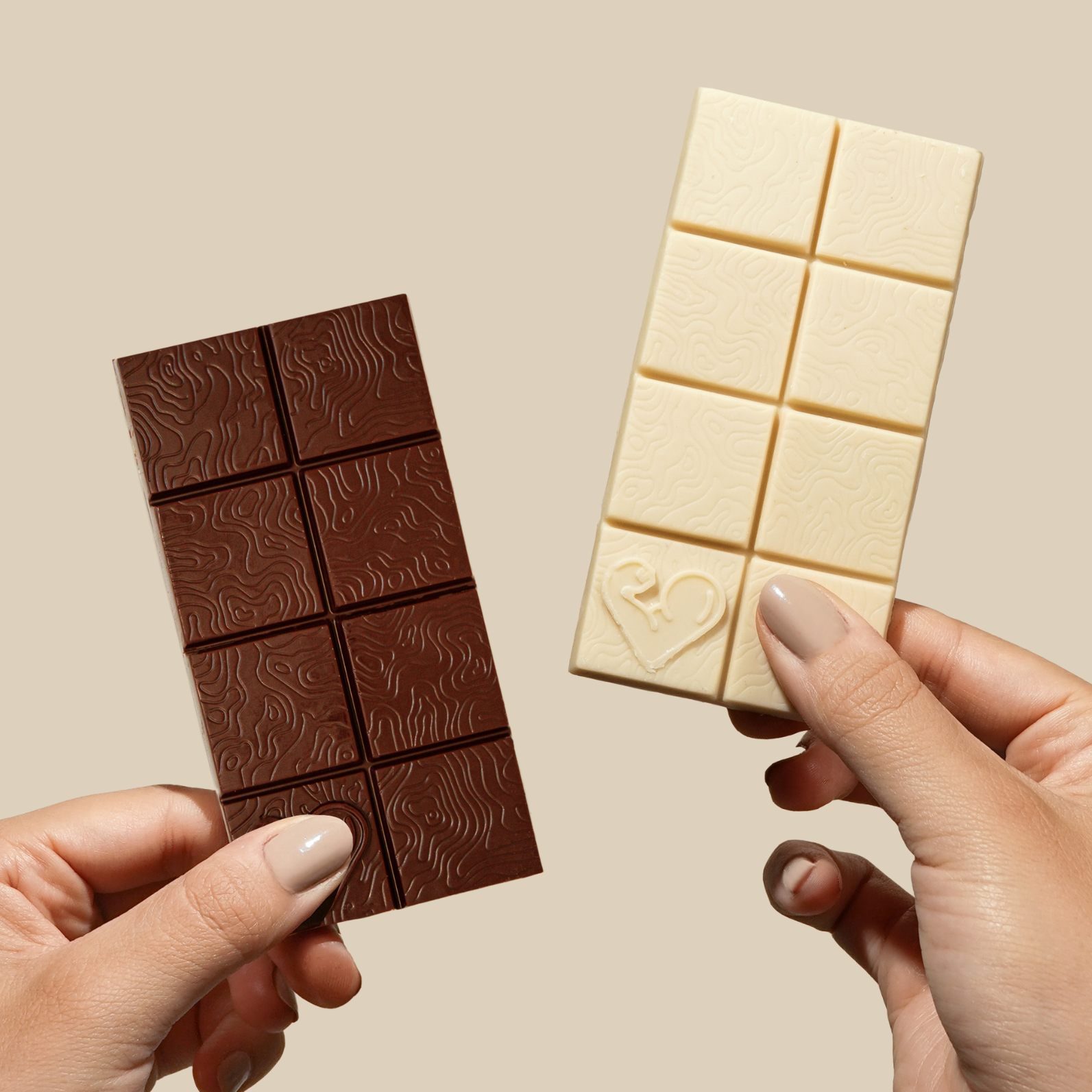
That is why erythritol is one of the ingredients in our Funky Fat Chocolate bars. We choose it because it helps us create chocolate with no added sugar, a cleaner sweetener profile, and the rich taste people actually want from chocolate. Read the label, know your sweeteners, and choose the treat that matches your standards. The goal was never boring “better-for-you” chocolate. The goal was better chocolate, full stop.
Sources
EU nutrition calculation rules list erythritol at 0 kJ / 0 kcal per gram. EFSA has also reviewed erythritol safety in foods, while noting that high intakes may contribute to laxative effects in some contexts.

Leave a comment
All comments are moderated before being published.
This site is protected by hCaptcha and the hCaptcha Privacy Policy and Terms of Service apply.