

Craving carbs or sugary treats on your keto diet?
You’re not alone. Changing the way you eat can make familiar foods feel especially tempting. Even after a routine starts to feel normal, a piece of cake can still catch your eye. That is not a failure. It is just food looking delicious.
And to be clear: wanting cake now and then is completely human. You can enjoy it, skip it or choose something else. The useful question is whether your current routine feels realistic for you.
If snack thoughts are making your routine stressful or difficult to maintain, it may help to step back and look at your meals, habits and surroundings without judgement.
No guilt. Just a little curiosity.
A keto approach can look very different from one person to the next. There is no single meal pattern that guarantees a certain appetite or makes cravings disappear.
You may simply need meals you enjoy more, a routine that fits your day or a less all-or-nothing approach.
Let’s look at a few practical ways to make the early stages feel more manageable.
Why beginner cravings can feel intense
Starting a keto diet often means changing several familiar foods and habits at once. That can make old favourites feel more noticeable, especially during the first few weeks.
Before blaming your willpower, look at the full picture:
- Do your meals feel enjoyable and substantial enough for your day?
- Are sweet tastes keeping certain foods front of mind?
- Did you change too many habits at once?
- Are stressful moments shaping when or how you snack?
- And for anyone who menstruates: do you notice recurring patterns at certain points in your cycle?
Practical ways to handle early keto cravings
There is no magic off-switch, but a few simple adjustments can make your routine feel more considered and less restrictive.
Take it slow
If you are thinking about starting keto, decide whether a gradual change or a clear start date suits you better. You might begin by reviewing the foods you eat most often, planning a few meals you genuinely like and making one manageable swap at a time.
Step by step, meal by meal. A plan you can actually live with is more useful than a perfect plan that lasts three days.
Here you can find some easy food swaps to explore while building meals that fit your preferences.
Choose foods with flavour and texture
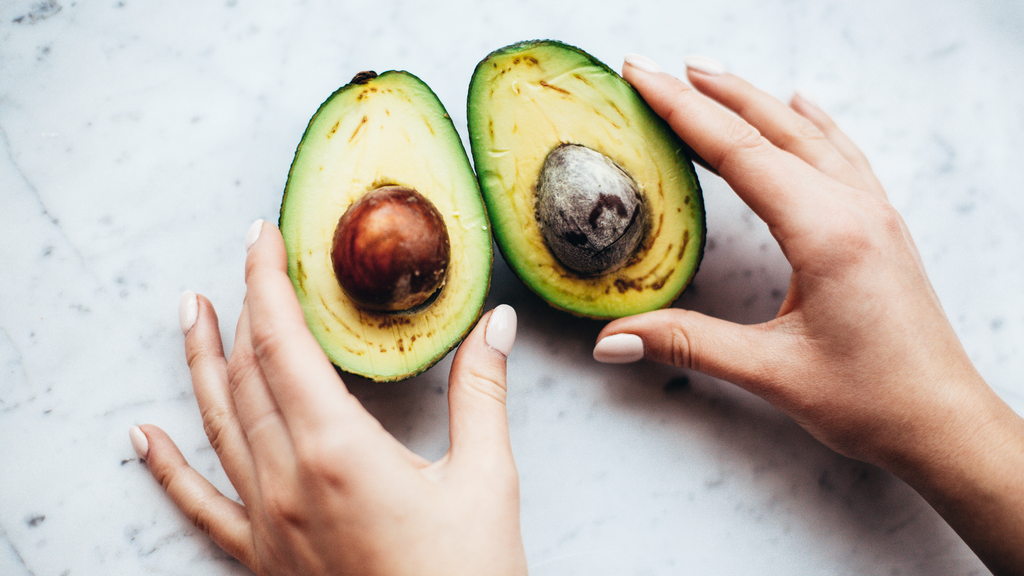
Keto-style meals often feature foods such as avocado, eggs, nuts, cheese and coconut. Instead of chasing a perfect ratio from a blog post, build meals around foods you enjoy and check that the overall approach suits your needs.
Diet changes are personal. If you feel unwell, have a medical condition or take medication, speak with a qualified healthcare professional before making significant changes.
When a sweet moment calls, choose something because you like the taste and it fits your plan, not because it promises to control your appetite.
You could try macadamia nuts, avocado, eggs, coconut or cheese if those foods work for you.
When you want chocolate, explore our chocolate bars, or give this white chocolate and macadamia recipe a try. Rich, nutty and ready for a proper chocolate moment.
Remember foods that contain protein
It is easy to focus on one part of a keto routine and forget the rest of the meal. Foods that contain protein can add variety, texture and substance to breakfast, lunch and dinner.
There is no need to diagnose a craving from one nutrient or blame yourself for wanting carbs. Hair loss, muscle loss or other new symptoms deserve individual advice from a qualified healthcare professional.
Protein needs vary, and a useful target depends on factors such as age, body size, activity, health and the rest of your diet.
The research previously cited in this article looked at specific groups: older men, older women and men who do resistance training. Those papers do not create one universal recommendation for every keto diet.
For personal guidance, ask a registered dietitian or another appropriately qualified professional to consider your full diet and circumstances.
Animal-based options include eggs, meat, poultry, fish, shellfish and dairy products that suit your preferences and dietary needs.
For a vegetarian or vegan keto approach, tofu and tempeh are useful foods to explore. Protein powders may suit some people, but check the ingredients and label rather than assuming every product fits your routine.
Here you can find more food ideas for a vegetarian keto routine.
Be careful with electrolyte advice
“Keto flu” is an informal term often used online for symptoms reported during the early stages of a ketogenic diet. It is not a diagnosis, and symptoms such as headache, nausea, fatigue, digestive changes, muscle cramps or sleep problems can have many causes.
Do not assume that salt or supplements are the answer. Persistent, severe or worrying symptoms should be discussed with a qualified healthcare professional.
Advice about sodium, magnesium and potassium needs context. More is not automatically better, and individual needs can differ, particularly for people with health conditions or those taking medication.
Himalayan salt is still salt; the pink colour does not make it a complete electrolyte solution. For individual nutrition support, you can visit dietitian Noor Struik at The Nourishing State or consult another qualified professional.
If you are simply looking for a fresh homemade drink, try this drink recipe. Enjoy it for the flavour, and treat any electrolyte claims or supplement-style ingredients according to the recipe label and professional advice.
Make room for calmer moments
Notice whether certain situations tend to coincide with automatic snacking or a strong pull towards familiar comfort foods. A short walk, a break from your screen, a proper meal or an earlier night may simply give you space to choose what you want. The aim is not perfect control. It is a routine that feels kinder and more realistic.
To understand your own patterns, try these three prompts:
- What was happening just before you wanted the food: hunger, habit, convenience, emotion or simply the sight and smell of something delicious?
- Which parts of the situation can you change, and which ones just need a practical backup plan?
- Would a prepared snack, a scheduled break or sharing a task make the moment easier next time?
Bonus tip:
If you want a clearer picture of your habits, keep a simple diary for a week. Note the time, the situation, what you ate and how the meal or snack felt. Treat it as information, not a scorecard. If eating feels distressing or out of control, take that record to a qualified healthcare professional.
A note on cravings and the menstrual cycle

Do your food preferences or hunger patterns feel different before your period?
If that sounds familiar, you are not the only person to notice a recurring pattern. Your own experience matters more than a rigid rule from the internet.
A diary can help you see whether a pattern repeats. It cannot diagnose a hormonal issue, and a craving is not proof that something is wrong.
The menstrual cycle involves changing hormone levels, but a commercial food blog is not the place to turn those changes into personalised nutrition prescriptions.
If cycle-related symptoms are new, severe or disruptive, speak with a qualified healthcare professional rather than trying to self-treat them with food or supplements.
What does this mean?
Your appetite, food preferences, energy and training experience may not feel identical every day. There is no universal cycle rule that tells every woman how many carbohydrates or calories to eat.
Claims about predictable insulin resistance, fixed calorie increases or guaranteed changes in focus and performance are too broad for individual guidance.
Instead of trying to “hack” your cycle, notice your own patterns and choose meals and snacks that are practical, enjoyable and appropriate for you.
If you use a keto approach, a dietitian can help you review whether it remains nutritionally adequate across the month.
Pregnancy, fertility, PCOS, diabetes and other medical considerations require individual clinical guidance.
Your food choices are not a test of discipline. Be flexible when your routine needs to change.
Planning for premenstrual snack moments
If you often want a snack before your period, plan a few options you genuinely enjoy. There is no universal instruction to add a fixed number of calories.
Do not increase or restrict carbohydrates, fat, protein, salt or magnesium based on a blanket online claim. Supplement and dietary advice should reflect your health, medication and overall diet.
For a rich chocolate moment, you might pair avocado, nuts or seeds with a meal, or choose Funky Fat chocolate. Choose the flavours and textures that make the moment feel worth it.
And that’s a wrap. Cravings do not make you weak, and no single snack defines your routine. Stay curious, keep it practical and be gentle with yourself.
What snack moments do you notice most often, and which practical ideas work for you? Share them in the comments below.
Other blogs you might enjoy:

Leave a comment
All comments are moderated before being published.
This site is protected by hCaptcha and the hCaptcha Privacy Policy and Terms of Service apply.