

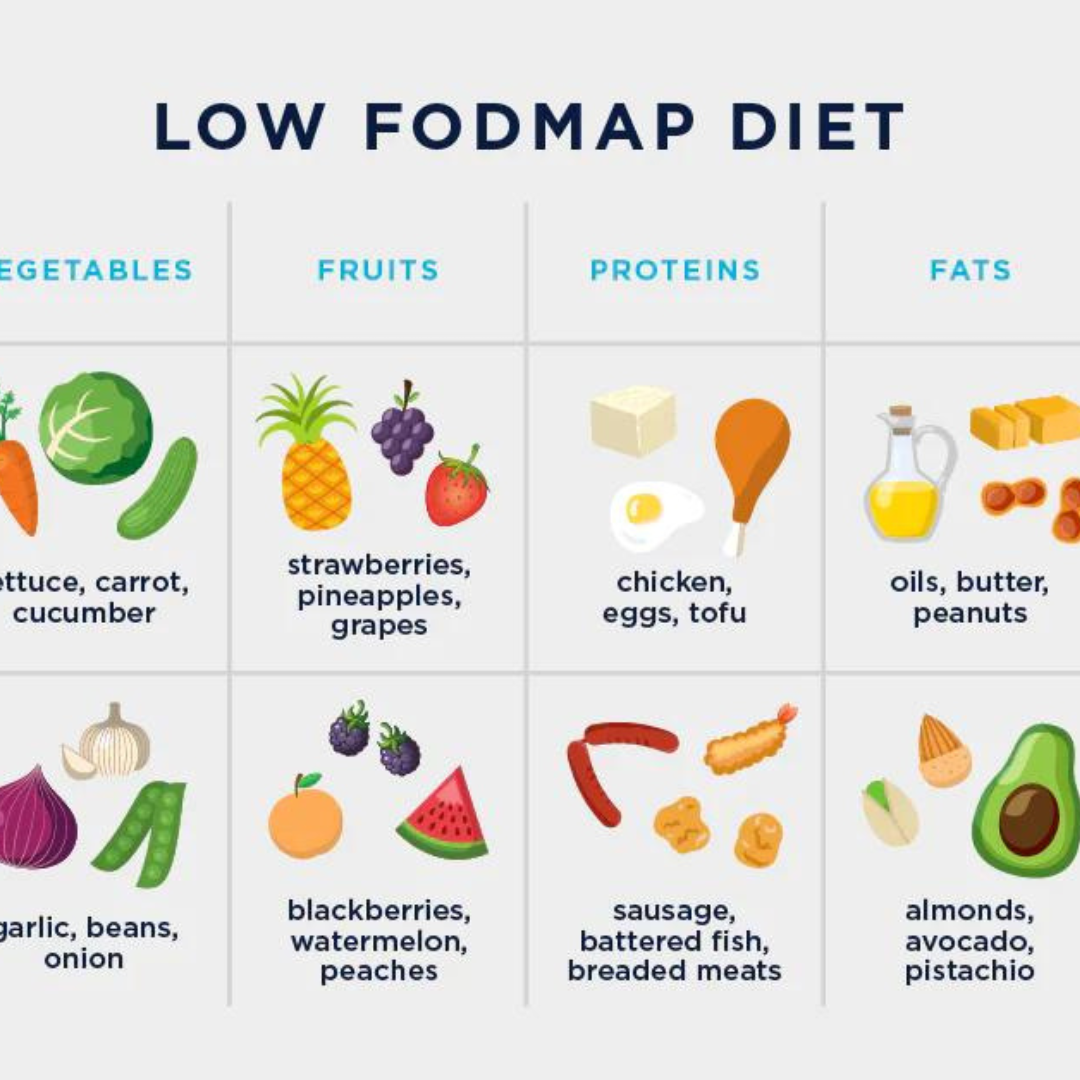
If you live with IBS and are considering a ketogenic diet, it is worth knowing that keto and low-FODMAP are not the same thing. Our earlier article about the gut and nutrition provides more background, but a food blog cannot diagnose digestive symptoms or promise that a particular diet will improve them.
Irritable bowel syndrome (IBS) is associated with recurring abdominal pain and changes in bowel habits, which may include constipation, diarrhoea or both. Bloating and gas can also occur. These symptoms should not be self-diagnosed, especially when they are new, severe or persistent.
This article explains what to consider if you are curious about combining a low-carbohydrate eating pattern with professional IBS guidance. You can also read our general introduction to different ketogenic diet approaches. The useful starting point is individual advice, not a promise that keto treats IBS.
What is IBS? And what about other gut symptoms?
IBS stands for irritable bowel syndrome. It is a recognised disorder involving recurring abdominal pain and changes in bowel movements without visible signs of damage in the digestive tract. It is not the same as inflammatory bowel disease, and describing every digestive symptom as “inflammation” can be misleading.
Food experiences vary considerably between people. Some people notice symptoms after particular meals, drinks or ingredients, including certain sweeteners, caffeine or alcohol. That does not make any one food a universal trigger.
IBS is complex, and its exact cause is not fully understood. Communication between the gut and brain is one area clinicians and researchers consider, alongside diet, stress, previous infection and other individual factors. These possibilities are not a checklist for self-diagnosis.
IBS management may involve dietary or lifestyle changes, medicines and other therapies. The right approach depends on the person and the symptoms. A low-FODMAP diet is one structured option that a qualified healthcare professional may recommend when appropriate.
FODMAP stands for fermentable oligosaccharides, disaccharides, monosaccharides and polyols. A low-FODMAP programme is normally temporary and includes restriction, reintroduction and personalisation under professional guidance. It is not designed as a permanent list of “good” and “bad” foods.
A ketogenic diet is not automatically low-FODMAP. Some foods can fit one approach but not the other, and portion size can change how a food is classified. If you have IBS, do not assume that reducing carbohydrates will address your symptoms.
Food choices need individual context
There is no single “best medicine” food list for IBS. Keto-friendly, gluten-free and low-FODMAP are separate descriptions, and none guarantees that a food will suit every person.
A food and symptom diary may give you and your healthcare professional a clearer record to discuss. Note what you ate, the portion, the time and any symptoms without using the diary to diagnose an intolerance by yourself.

Foods to discuss when planning meals
- Nuts and seeds: type and portion matter, so almonds, walnuts, pecans, Brazil nuts, chia seeds and sunflower seeds should not be treated as one interchangeable group.
- Plain meat and eggs: sauces, marinades and preparation can change the ingredients in the finished meal.
- Poultry: check the full dish rather than judging the main ingredient alone.
- Fish and seafood: plain options differ from breaded, marinated or ready-made products.
- Vegetables: spinach, kale, courgette, tomatoes, green beans, choy sum and red pepper may appear in low-FODMAP resources, but suitable portions and personal tolerance still matter.
- Fruit: type, ripeness and portion can matter. Blueberries, strawberries, melon, lemon and avocado should not be grouped under one blanket rule.
- Sweeteners: products and individual tolerance vary. Read the label and explore our factual ingredient information.
- Fermented foods: coconut kefir, tempeh and yoghurt are not automatically suitable for every low-FODMAP plan. Product ingredients, processing and portions differ.
Foods that may need individual review
Avoid broad exclusion lists. Carbohydrate content, explored in our guide to net carbohydrate calculations, does not tell you whether a food is low-FODMAP or whether it will affect your symptoms.
- Grains: wheat and rye contain fructans, but the relevant food, portion and clinical advice matter. Gluten-free does not automatically mean low-FODMAP.
- Dairy: lactose content and personal tolerance differ across milk, yoghurt and cheese.
- Foods containing fructose: type, portion and the rest of the recipe matter more than a broad label such as “processed food”.
- Cruciferous vegetables: cauliflower, broccoli and cabbage differ from one another, and suitable portions can vary.
- Caffeine and chocolate: personal experiences vary. Funky Fat chocolate is not exempt from individual tolerance considerations.
- Alcohol: type, quantity and individual response matter. A gluten-free label does not automatically make a drink suitable for IBS.
Considering a keto lifestyle with IBS
Current guidance does not support presenting a ketogenic diet as a general treatment for IBS, bloating or inflammation. Keto and low-FODMAP may overlap in places, but they have different purposes and rules.
A ketogenic diet should not be promoted as a way to treat IBS, control blood sugar or guarantee weight loss. Those are separate medical and nutritional questions that require individual assessment.
If you are still curious about keto, read our general explanation of ketosis and dietary flexibility, then discuss the full approach with a qualified healthcare professional who understands your symptoms and nutritional needs.
Changing several foods at once can make it harder to tell what suits you. A clinician or registered dietitian can help you decide whether to make gradual changes and how to maintain a varied, adequate diet.
Topics such as movement, stress-management routines and probiotics may form part of a wider conversation with your care team. They are not guaranteed remedies, and chocolate should not be presented as a stress treatment.
A few topics you may want to discuss with a qualified professional include:
- Stress-management routines. Mindfulness, meditation, yoga or breathing exercises may suit some people as general wellbeing practices. They should not be promised to reduce digestive symptoms.
- Regular movement. Choose activity that is appropriate for your health and preferences. Exercise should not be framed as a guaranteed IBS treatment or a shortcut to fat burning.
- Probiotic supplements. Products contain different strains and amounts, and responses vary. Do not choose a probiotic based on a promise to control harmful bacteria or regulate bowel movements; ask a qualified professional whether a specific product is appropriate.
Other blogs you might like:
Sources and further reading
- NICE: Irritable bowel syndrome in adults — recommendations
- NHS: Diet, lifestyle and medicines for IBS
- NIDDK: Irritable bowel syndrome overview



Leave a comment
All comments are moderated before being published.
This site is protected by hCaptcha and the hCaptcha Privacy Policy and Terms of Service apply.