

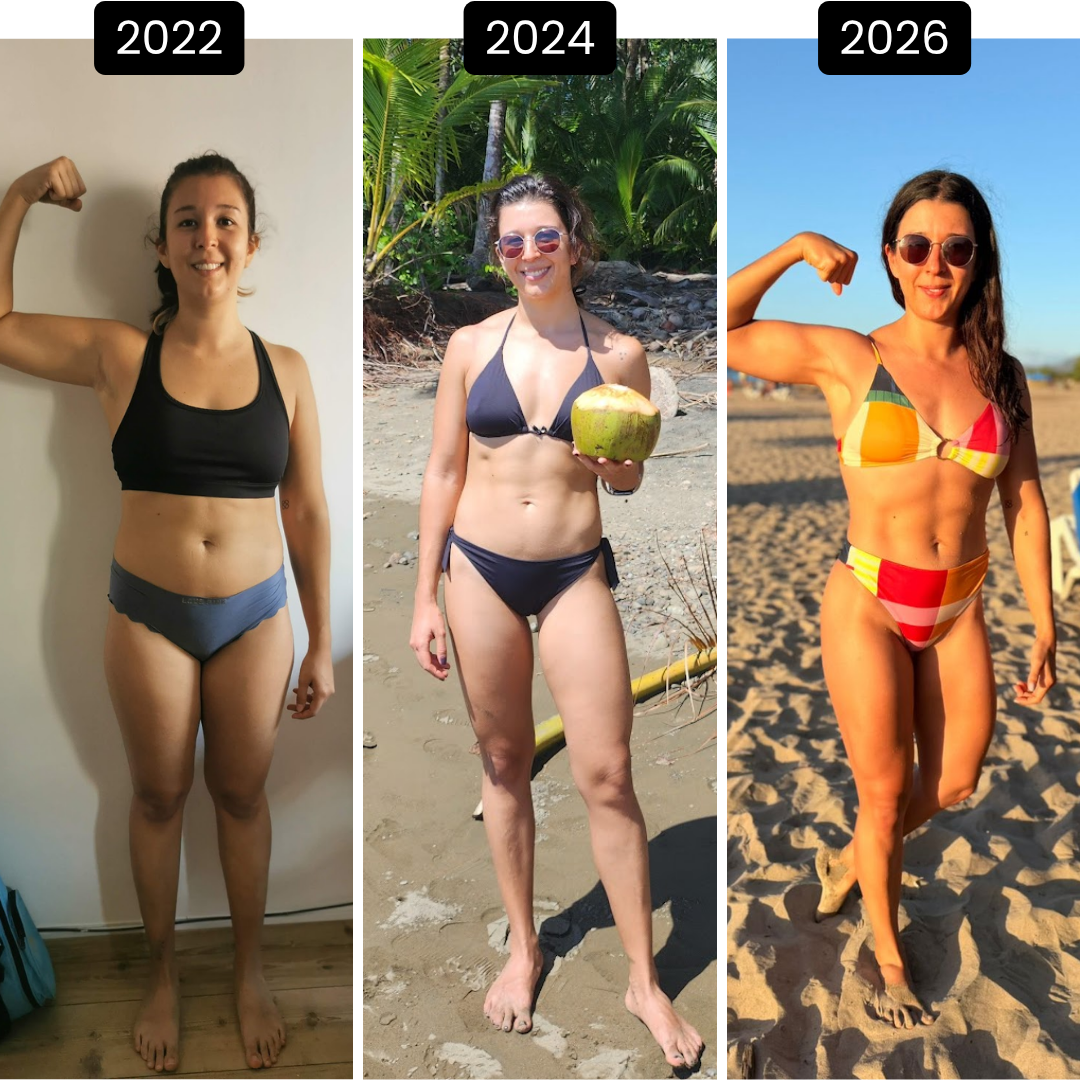
Balanced diet after restrictive dieting is not something I found overnight. Before I understood what my body actually needed, I tried so many diets. Not one. Not two. Around five different ways of eating, and the thing they all had in common was restriction.
- At one point, I cut out fat completely. Everything I bought was fat-free.
- At another point, I ate almost only fruits and vegetables, with very little protein.
- Then there was a phase where I cut out almost everything that was not fish or chicken.
- I was vegetarian for two years.
- I was vegan for seven months.
- I also did intermittent fasting for a long time, without knowing that long fasts do not always feel good for every woman, especially around the week before a period.
And I want to be clear: this is not about shaming keto, vegetarianism, veganism, intermittent fasting, low-fat diets or any other way of eating. Some people feel amazing eating those ways. That is the point. The diet that “works” is not the one with the best name. It is the one that actually supports your body, your lifestyle, your energy, your digestion and your mind.
For me, the diet that finally worked was not extreme. It was balanced. Whole foods. Protein. Fibre. Healthy fats. Complex carbs. Minimum ingredients. Minimally processed foods. Simple meals that made my body feel supported instead of controlled.
The diet that finally worked for me
The diet that finally worked for me was a balanced diet focused on protein, fibre, healthy fats and food quality. Not just calories. Not restriction. Not “how little can I eat and still function?”
For the first time, I started building meals around what my body needed. Breakfast, lunch, snack and dinner all had the same foundation: protein, fibre and healthy fats.
By fibre, I mean vegetables, fruits, legumes and complex carbs. Foods that actually helped my digestion, energy and fullness. Foods that made meals feel complete.
This way of eating also made me realise something important: calories matter, but they are not the whole story. I used to focus mostly on calories. Now I focus more on macros, food quality and whether my meals fit my actual life.
That shift changed everything.

What changed first when I started eating balanced meals?
The first thing I noticed was that I looked less puffy. I felt like my body had been inflamed and heavy, and that started to reduce almost right away.
Then my digestion improved. My cravings improved a lot. My mental clarity got better. I slept better. I had much more energy in my workouts. I felt stronger, faster and I did not get tired as quickly.
My recovery improved too. That was a big sign for me. I was not just eating to get through the day anymore. I was eating in a way that helped my body actually do things.
Why protein, fibre and healthy fats changed everything
This is where the whole “balanced diet” thing became very real for me. I stopped thinking of food as just calories and started thinking of meals as structure.
The structure was simple:
- Protein to feel strong, satisfied and supported.
- Fibre from legumes, vegetables, fruits and complex carbs to support digestion and fullness.
- Healthy fats to make meals satisfying and realistic.
- Whole foods that were simple, minimally processed and made with minimum ingredients.
This is also very aligned with the general balanced plate idea. Harvard’s Healthy Eating Plate focuses on vegetables, fruits, whole grains, healthy protein and healthy oils as the base of balanced meals.
For me, it became less about chasing the perfect diet and more about asking: does this meal support me for the next few hours?
What I realised about fibre and digestion
Fibre was one of the biggest missing pieces for me. Before, especially during some of the more restrictive diets, I was not including the amount of fibre that my body needed.
I used to think going to the bathroom once every two days was normal. After working with my nutritionist, I understood that for my body, more regular digestion was possible and important. Before, I would be constipated for days with other diets.
For context, bowel movement frequency can vary from person to person. Health notes that some people go several times a day, while others go a few times a week, and comfort, consistency and ease matter. But for me, once I started eating more fibre-rich whole foods, my digestion changed completely.
Legumes helped me the most. Vegetables helped. Fruits helped. Complex carbs helped. It was not about adding one magic food. It was about giving my body enough of what it had been missing.
Why I stopped fighting cravings
One of the biggest changes is that I stopped getting strong cravings regularly. And when cravings do show up, I understand them better.
For example, after I eat out with friends and have a higher-than-usual carb meal, I notice that the next day I can crave more “junk food” style foods. Before, I would have judged that. Now, I can see the pattern.
I feel like it is connected to blood sugar and how my body responds after certain meals. That does not mean I panic or restrict. It means I listen.
The same thing happens before my period. We can get strong chocolate cravings before our period, and now I prepare myself instead of pretending I am above chocolate. I am not. None of us need to be.
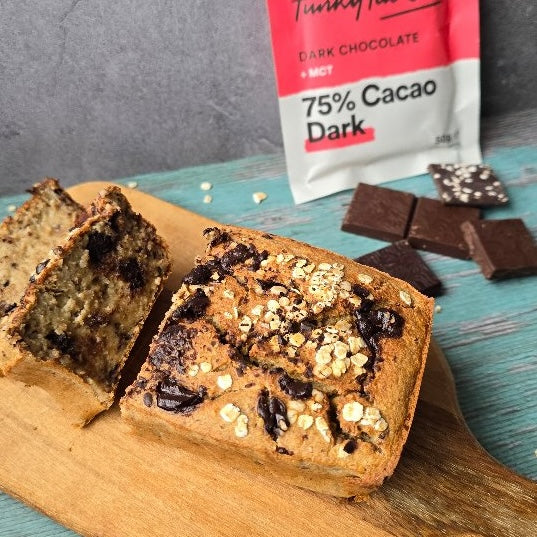
I keep treats ready. My cupboard is stocked with sweet options, especially Funky Fat Foods. My favourite is dark chocolate with hazelnut. I eat two dark chocolate squares every day after dinner. That is my dessert every day.

I also use Funky Fat treats when I get sweet cravings before my period, when I want to add chocolate to protein pancakes, or when I need something easy to take to university now that I am doing my master’s.
That is the real difference. I no longer ignore the thought of wanting something sweet. I have tools now. I know how to listen to my body better and adapt.
Before vs now: what actually changed
This is the simplest way to explain the difference between how I used to eat and how I eat now.
| Before | Now |
|---|---|
| Focused mostly on calories | Focused on protein, fibre, healthy fats, and food quality |
| Often hungry or hangry | More satiated throughout the day |
| Low energy during training | More steady energy for my routine |
| Trouble falling asleep | Sleep feels more stable |
| Digestion felt stuck | Digestion feels much better |
| Ignored cravings or tried to push through | I have tools for when cravings show up |
| Felt weak and restricted | Feel more in control and supported |
That word “hangry” matters too. It is not just a funny internet word. Hunger can affect mood, and Health explains that feeling hangry can be linked to changes in blood sugar and the body’s response to needing fuel.
That makes so much sense to me now. When I was under-eating, restricting or building meals without enough protein, fibre or healthy fats, of course I felt angry, weak and constantly hungry. My body was asking for support.
What balanced eating looks like for me now
Balanced eating is not complicated for me anymore. It is actually much simpler than all the diets I tried before.
Most meals follow this structure:
- A protein source.
- A fibre source, usually legumes, vegetables, fruits or complex carbs.
- A healthy fat.
- Mostly whole foods.
- Simple, minimally processed ingredients.
This is the part I love most: it is built around my lifestyle. It works whether I am training, studying, going to university, eating out with friends or just having a normal busy day.
I no longer feel like my diet is something I have to survive. It is something that supports me.
Where Funky Fat fits into this lifestyle
For me, Funky Fat is not about “cheating” or replacing a meal. It is a tool.
I use it for dessert after dinner, for pre-period chocolate cravings, for protein pancakes and for days when I need something easy to bring with me. It fits because it is simple, satisfying and made without added sugar.
If someone wants to explore smarter chocolate snacks, the Funky Fat chocolate bars are a natural place to start. For a deeper read on food quality, the guide to processed vs ultra-processed foods connects perfectly with the idea of keeping food simple, minimally processed and focused on minimum ingredients.
That is the difference between restriction and support. Restriction says, “You cannot have that.” Support says, “What option helps you feel good now and later?”

The biggest lesson I learned
The biggest lesson I learned is that my body was never the problem. The lack of balance was the problem.
I did not need another restrictive diet. I needed enough protein. I needed enough fibre. I needed healthy fats. I needed meals built around whole foods, my routine and my body’s actual signals.
And the best part is that I no longer feel like cravings are something I have to shut down. I understand them better. I prepare for them. I respond instead of react.
That has made a huge impact. I have more energy. I am not angry or hungry all the time. I feel satiated. My digestion feels much better. I feel more in control, but not in a rigid way. In a supported way.
In conclusion...
A balanced diet after restrictive dieting is not about finding the next perfect rule. It is about learning how to eat in a way that actually works for your body and your life.
For me, that meant moving away from extremes and focusing on whole foods, protein, fibre, healthy fats, minimally processed ingredients and simple meals I can actually sustain.
No shame. No restriction. No all-or-nothing. Just food that supports energy, digestion, cravings, workouts, studying and real life.
Feel good, every day. No compromises. Stay funky.


Leave a comment
All comments are moderated before being published.
This site is protected by hCaptcha and the hCaptcha Privacy Policy and Terms of Service apply.