

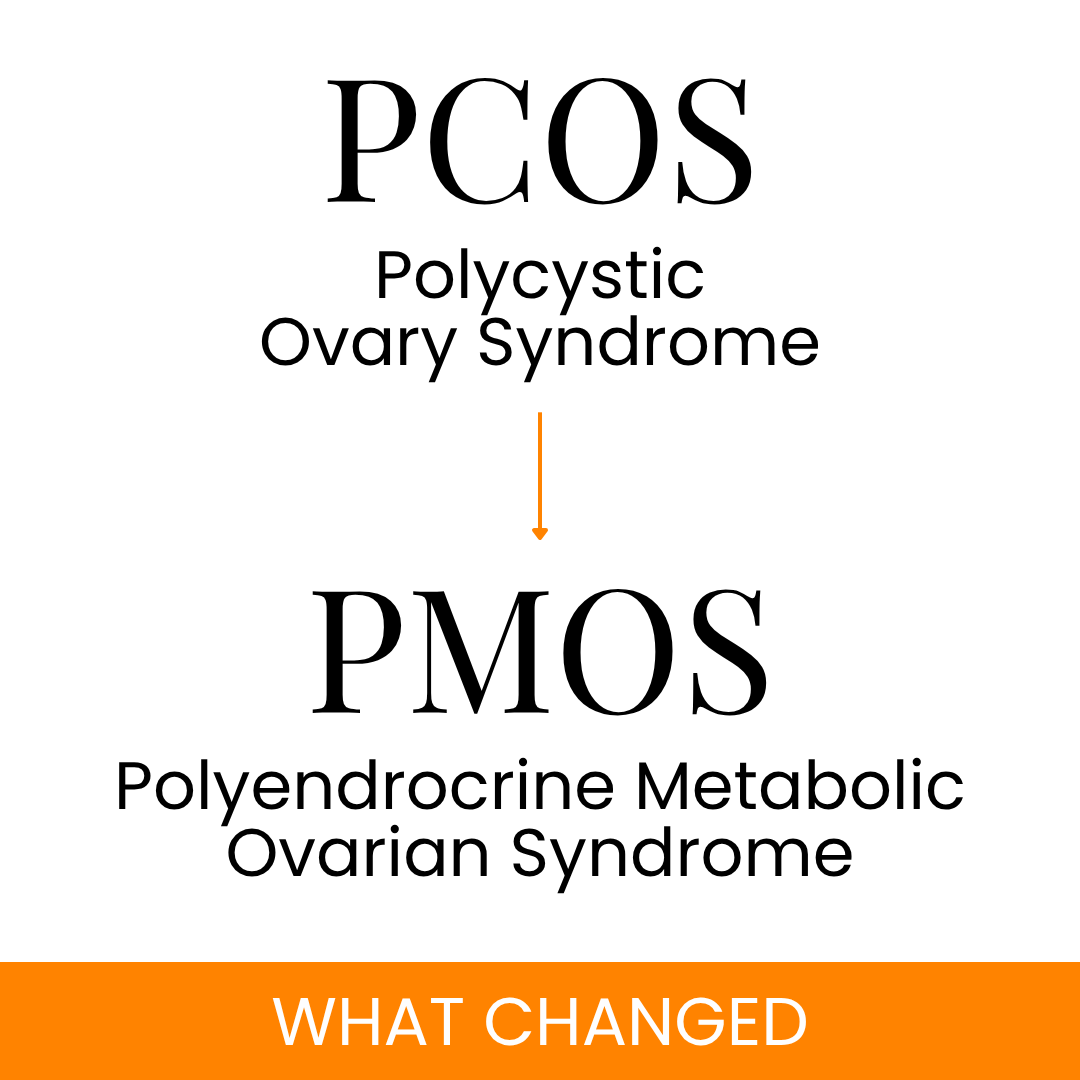
PCOS to PMOS is more than a small name change. It is a big shift in how we talk about one of the most misunderstood women’s health conditions in the world.
For years, PCOS stood for polycystic ovary syndrome. But in May 2026, a global expert and patient-led process announced a new name: PMOS, which stands for polyendocrine metabolic ovarian syndrome.
That might sound like a mouthful at first. But the reason behind it is important.
The old name made PCOS sound like it was mainly about ovarian cysts. For many women, that never matched the full experience. PMOS better reflects what the condition can involve: hormones, metabolism, skin, mental health, energy, cycles, and reproductive health.
 |
At Funky Fat Foods, this matters to us personally. Our story began with a woman looking for chocolate that felt good for her body, her hormones, and her energy. So when the language around PCOS changes, we pay attention. Not because a name fixes everything overnight, but because better language can lead to better awareness, better questions, and better care. |
Let’s break down what changed, why it matters, and what it means for the way we support our bodies day to day.
Is PCOS now called PMOS?
Yes. PCOS is now being renamed PMOS: polyendocrine metabolic ovarian syndrome.
The change was announced on May 12, 2026, after a 14-year global consensus process involving clinicians, researchers, patient organisations, and people with lived experience. According to the Endocrine Society (1) and Monash University (2), more than 50 patient and professional organisations were involved.
The new name is expected to roll out over a three-year transition period, with full implementation planned for the 2028 International Guideline update. So for a while, both names may appear together: PCOS, now called PMOS.
Why did PCOS change to PMOS?
PCOS changed to PMOS because the old name was considered inaccurate and too narrow.
The term “polycystic ovary syndrome” suggested that the condition was mainly about cysts on the ovaries. But experts now say that what is often seen on ultrasound is not abnormal cysts. The condition is much more complex than that.
The old name focused too much on ovaries
For many women, the symptoms of PCOS were never only ovarian. Irregular cycles may be part of it, yes. But so can insulin resistance, acne, hair growth or hair thinning, energy dips, mood changes, cravings, and metabolic health concerns.
When a name points only to the ovaries, it can make the rest of the picture easier to miss. And many of us know how frustrating it feels when symptoms are treated like separate little mysteries instead of pieces of the same puzzle.
The new name reflects the full-body nature of the condition
PMOS includes three key ideas:
- Polyendocrine: more than one hormone system may be involved.
- Metabolic: metabolism, insulin, blood sugar, and energy regulation may play a role.
- Ovarian: ovarian function can still be part of the condition, but it is not the whole story.
That is why the name change feels bigger than a rebrand. It moves the conversation away from “just cysts” and towards a more complete understanding of women’s health.
What does PMOS mean for women?
PMOS means polyendocrine metabolic ovarian syndrome. The name is designed to describe the condition more accurately and reduce confusion.
For women who have spent years feeling dismissed, this matters. A clearer name may help doctors, researchers, and patients talk about the condition with more precision. It may also help more women understand that symptoms involving energy, cravings, skin, cycle changes, and metabolic health can be connected.
It does not mean anyone should self-diagnose. PMOS is a medical condition and diagnosis should always happen with a qualified healthcare professional. But better language can help us ask better questions in the room.
What should we do with this information?
The PCOS to PMOS name change does not mean every woman needs to panic, change everything, or suddenly overhaul her life by Monday morning. We are not doing that. We have emails, hormones, and lives.
What it does mean is that we can think more clearly about support. Especially when it comes to energy, blood sugar, cravings, and the everyday choices that help us feel steady.
Helpful next steps may include:
- Learning the new term PMOS and using it alongside PCOS during the transition.
- Speaking with a healthcare professional if symptoms feel familiar or disruptive.
- Tracking cycles, energy, cravings, skin changes, and mood patterns.
- Building meals around protein, fibre, healthy fats, and complex carbohydrates.
- Choosing lower added sugar snacks to support steadier energy.
- Reading labels and reducing ultra-processed foods where possible.
This is not about restriction. It is about information. When we understand our bodies better, we can make choices that feel less random and more supportive.
Where does Funky Fat Foods fit in?
Funky Fat Foods is not a treatment for PMOS. Chocolate is not medicine, and no snack should pretend to be.
But food choices can still be part of how we support ourselves day to day. Especially when cravings, energy dips, and blood sugar balance are part of the conversation.
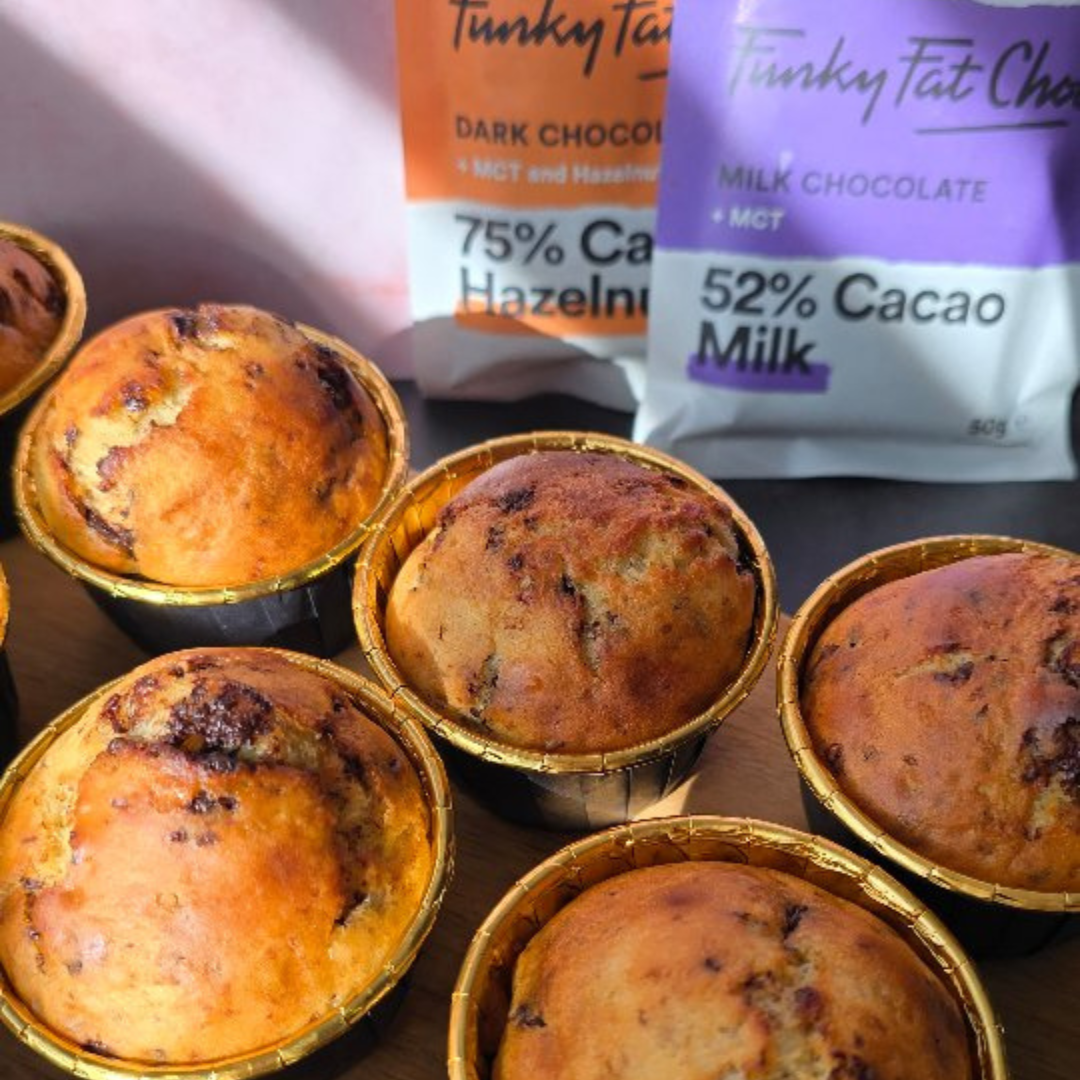
Our Funky Fat chocolate bars are made with no added sugar, clean ingredients, erythritol, and MCTs. They are designed for women who want chocolate without the sugar crash or the no-fun nonsense.
For a rich, steady snack, the Dark Choc with MCTs is a natural fit. For those who want to understand functional fats better, our guide to coconut oil vs MCT oil breaks it down in plain language.
And for a practical snack moment, recipes like Chocolate Truffles show how chocolate can stay joyful, simple, and a little bit functional. See more recipes.

Common misconceptions about PCOS and PMOS
“PMOS means it is a totally new condition”
No. PMOS is the new name for the condition previously known as PCOS. The name has changed to better reflect the science, but people’s lived symptoms and care needs do not disappear overnight.
“PCOS was only about cysts”
No. That was part of the problem. The old name made the condition sound cyst-focused, but PMOS better reflects its endocrine, metabolic, and ovarian dimensions.
“Lifestyle means blame”
Absolutely not. Lifestyle support should never be used to shame women. Food, movement, sleep, stress, and medical care can all be part of support, but PMOS is complex and individual.
We can talk about blood sugar and energy without making women feel like everything is their fault. That distinction matters.
The Funky Fat take
The change from PCOS to PMOS is a landmark moment. Not because a new acronym magically fixes women’s healthcare, but because words shape what gets taken seriously.
PMOS tells a fuller story. It says this condition is hormonal. It is metabolic. It can affect the whole body. And women deserve language, care, and food choices that reflect that reality.
At Funky Fat Foods, we believe in chocolate without compromise and health without guilt. Because we can care about blood sugar and still love a rich chocolate moment. We can learn about our hormones and still refuse diet culture. We can want better answers and better snacks.
No added sugar. No compromises. Stay funky.
----------------
CITATIONS
- Williams, C., & Glenn Gingery, J. (2026, May 12). Polyendocrine metabolic ovarian syndrome: New name to improve diagnosis and care of condition affecting 170 million women worldwide. Endocrine Society. https://www.endocrine.org/news-and-advocacy/news-room/2026/pcos-name-change
- Polyendocrine metabolic ovarian syndrome: New name to improve diagnosis and care of condition affecting 170 million women worldwide - monash university. Monash University. (2026, May 13). https://www.monash.edu/news/articles/polyendocrine-metabolic-ovarian-syndrome-new-name-to-improve-diagnosis-and-care-of-condition-affecting-170-million-women-worldwide
-
Teede, H. J., Khomami, M. B., Morman, R., Laven, J. S. E., Joham, A. E., Costello, M. F., et al. (2026). Polyendocrine metabolic ovarian syndrome, the new name for polycystic ovary syndrome: A multistep global consensus process. The Lancet. Advance online publication. https://doi.org/10.1016/S0140-6736(26)00717-8


Leave a comment
All comments are moderated before being published.
This site is protected by hCaptcha and the hCaptcha Privacy Policy and Terms of Service apply.